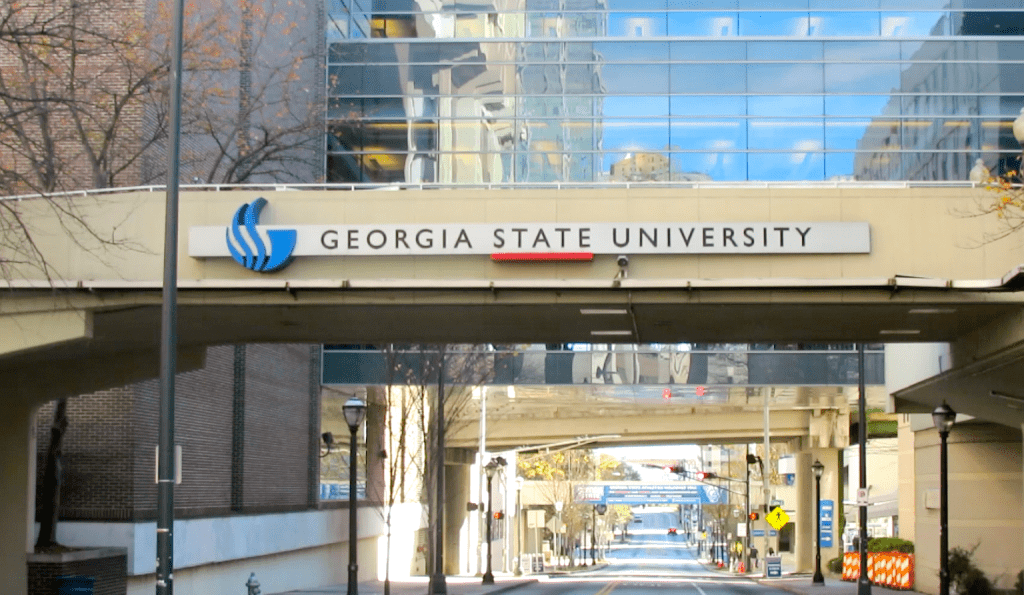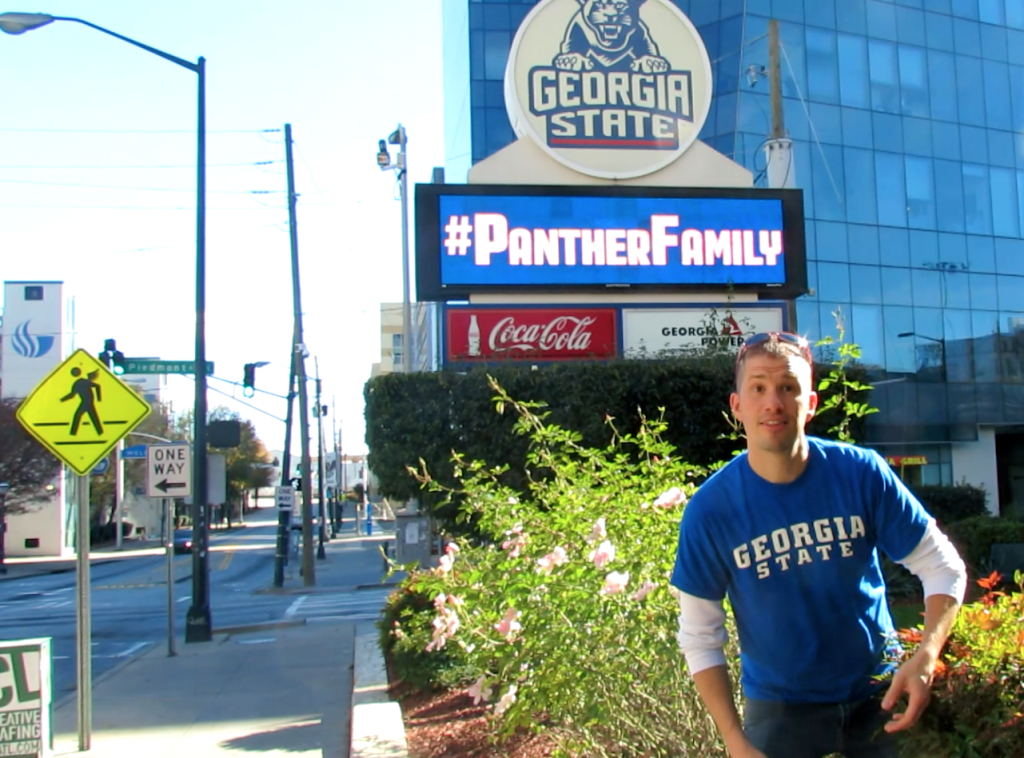
Georgia State’s football program is young. While most college teams can trace their histories to the early 1900s—or even the late 1800s—the Panthers played their first season in 2010. Yet in just over a decade, Georgia State has built a football identity and a collection of traditions that make the program feel far older than it is.
Much of that foundation can be traced to Bill Curry, the former Kentucky and Alabama head coach who returned to the sidelines to lead Georgia State’s new program. Curry was named the Panthers’ first head coach in 2008, two years before the team played its inaugural game. Georgia State certainly endured its share of growing pains, but Curry provided the experience and leadership needed to establish the program and eventually pass the baton to a new generation. His early work laid the groundwork for the progress Georgia State has made since.
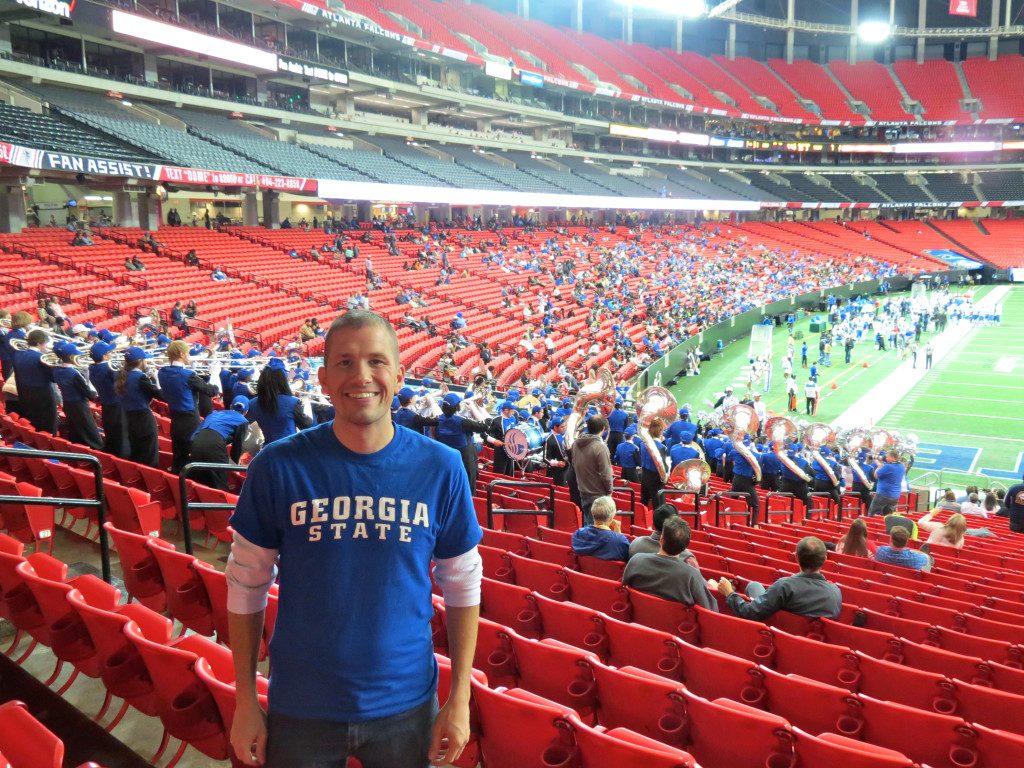
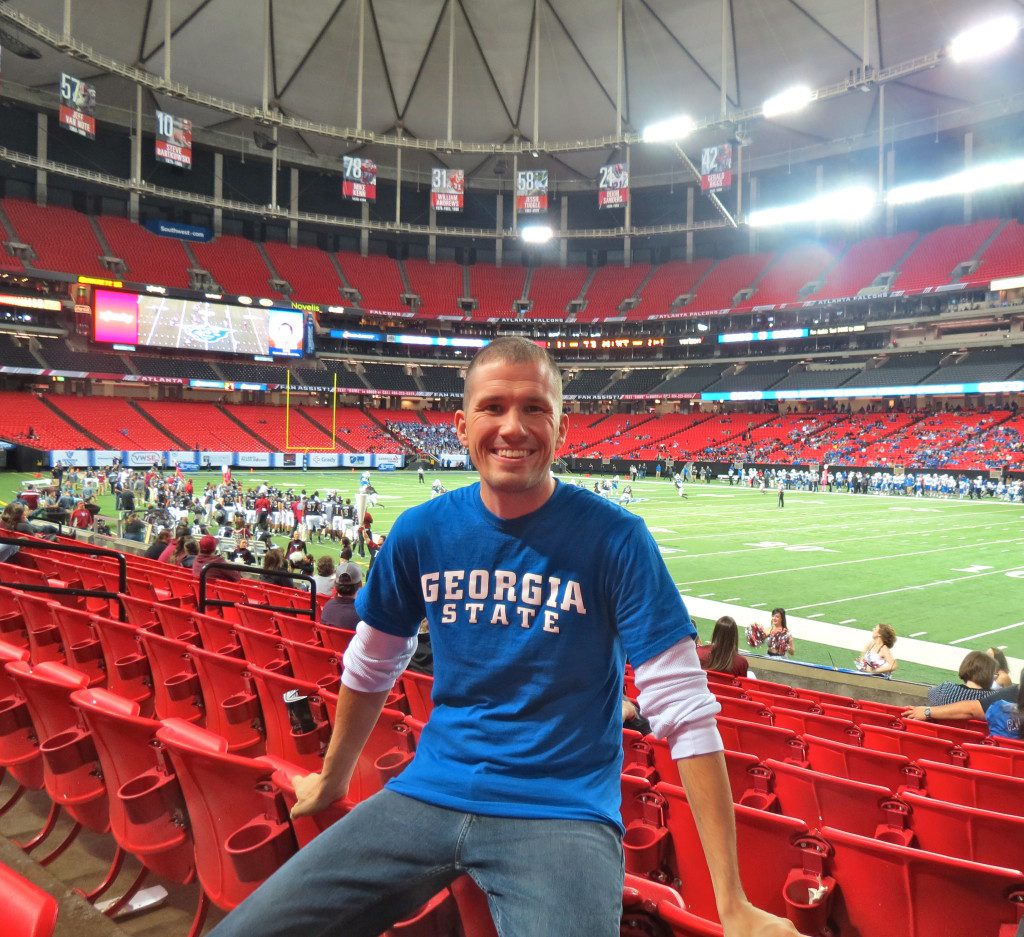
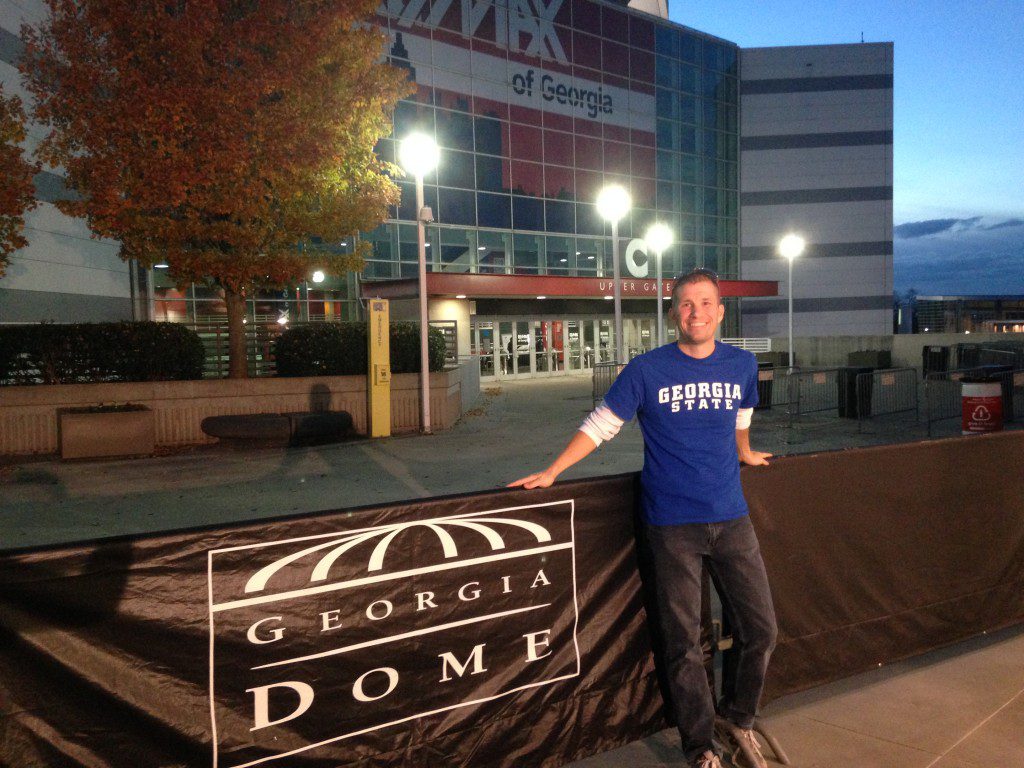
Until 2016, the Panthers played their home games at the Georgia Dome. While the massive venue provided an impressive backdrop, it lacked many of the elements that make college football feel intimate and distinctive. Georgia State found an opportunity when the Atlanta Braves announced they would leave Turner Field following the 2016 season. The university ultimately acquired the site and transformed the former baseball stadium into a football venue.
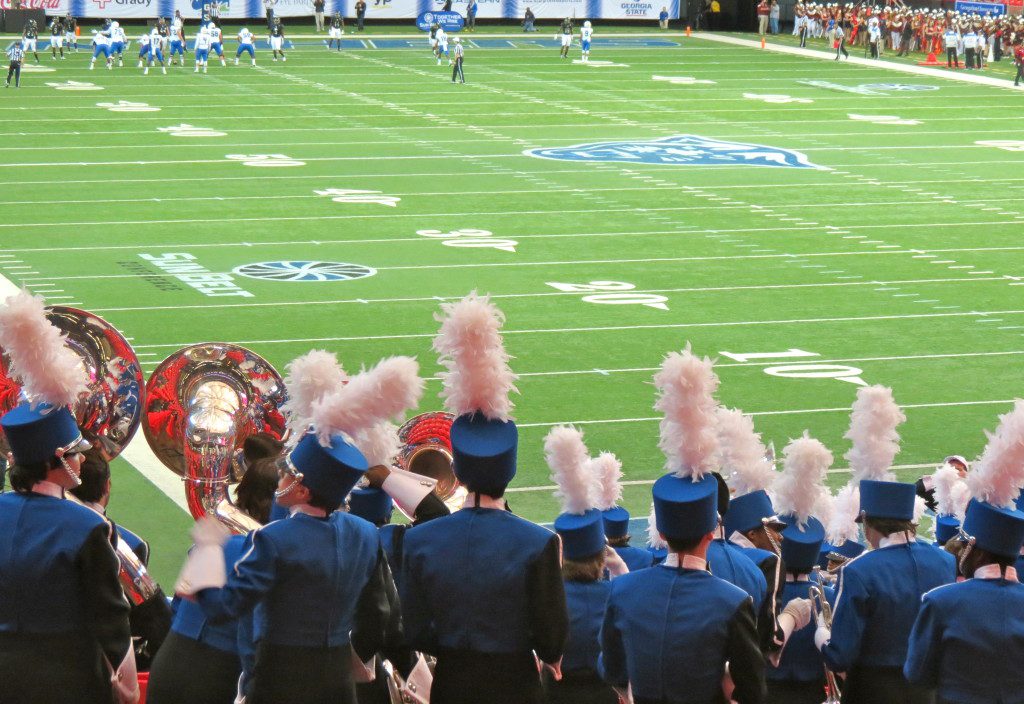
The Panthers began playing at the renovated stadium in 2017. Rather than erase the history of Turner Field, Georgia State repurposed much of its existing structure while reshaping it for football. The result gave the Panthers something they had never truly had before: a home of their own. With that home came many of the sights and sounds that define a traditional college football Saturday—the marching band, cheerleaders, mascot and, most importantly, a passionate fanbase.
Although the football program is young, Georgia State University has been part of Atlanta since 1913. One of the treasured symbols of that history and Panther pride is Bronzy, the statue of the school’s panther mascot. The most noticeable feature is Bronzy’s nose, which is considerably lighter than the rest of his body. Students and alumni are encouraged to rub it for good luck, particularly on game days. The discoloration has become a visible reminder of the thousands of people who have passed through Georgia State and formed lasting connections with the university.
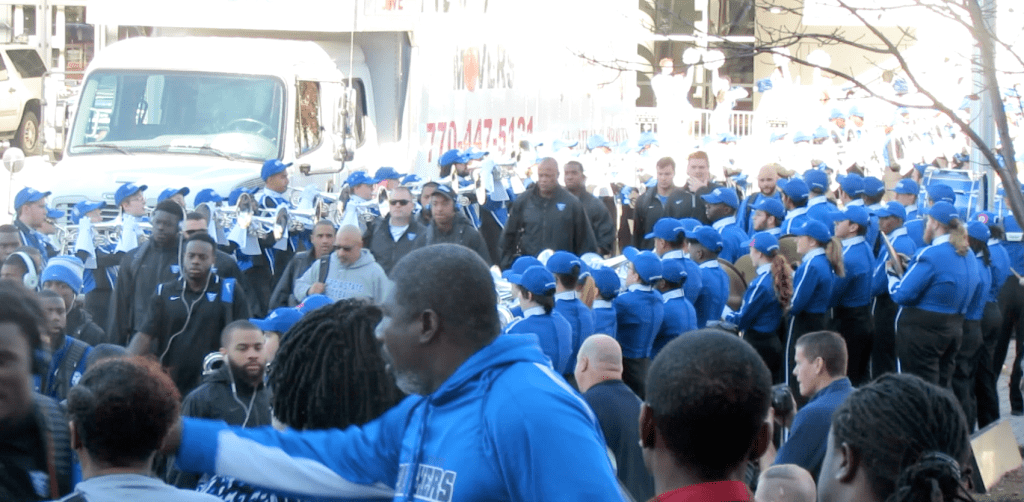
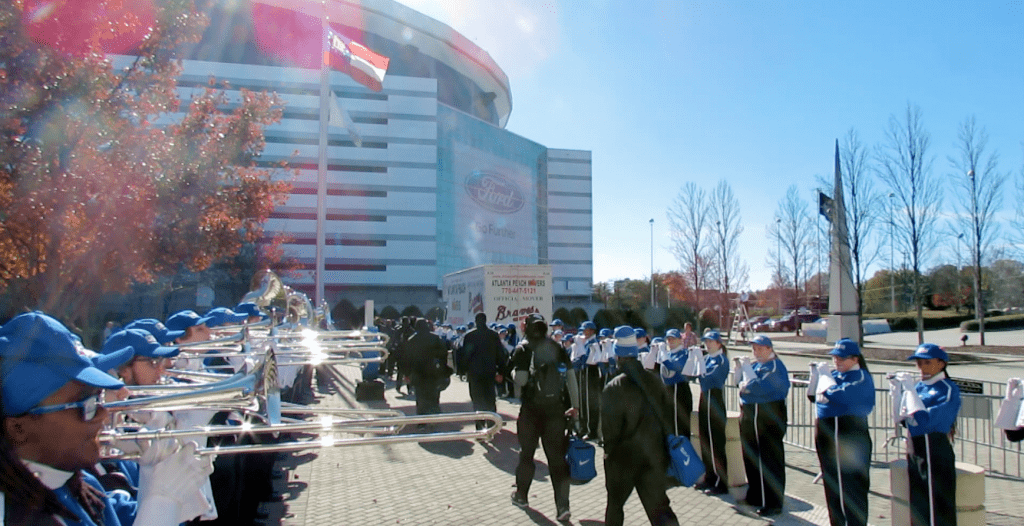
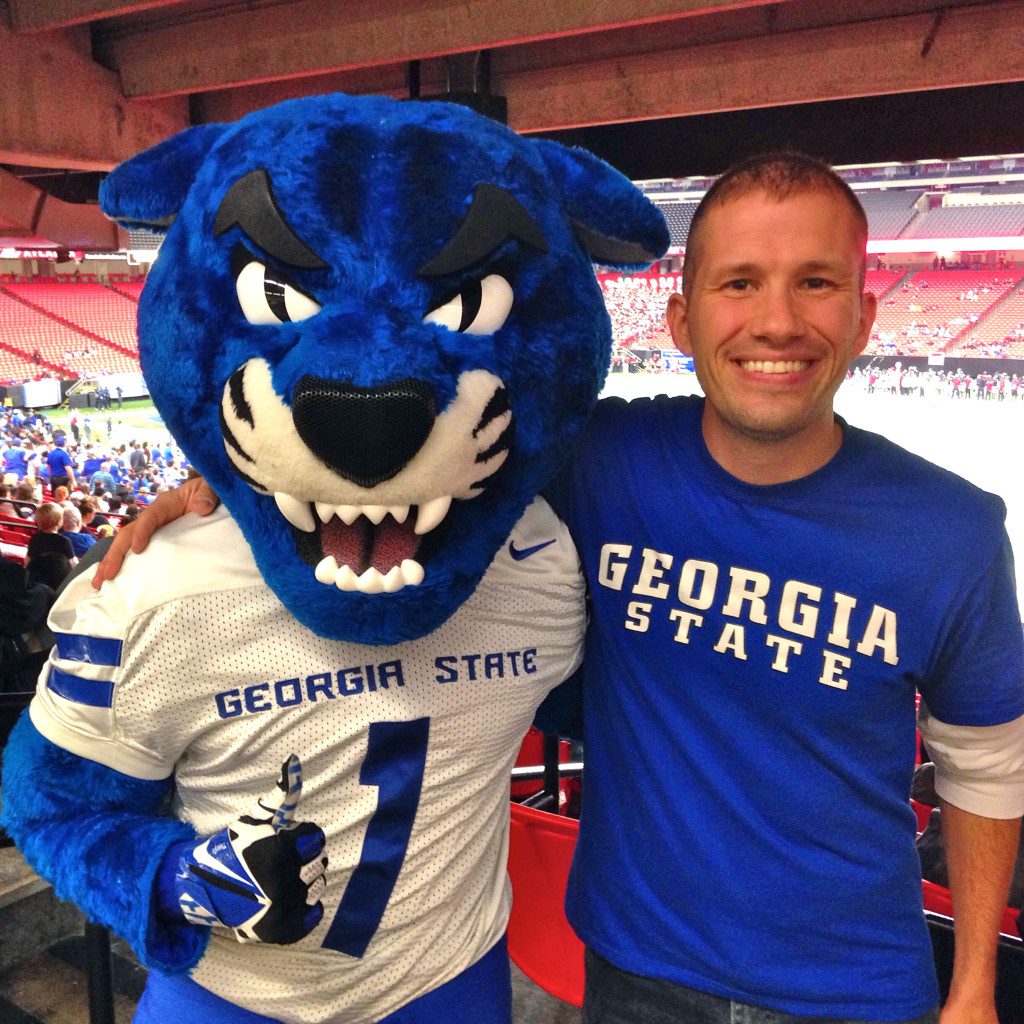
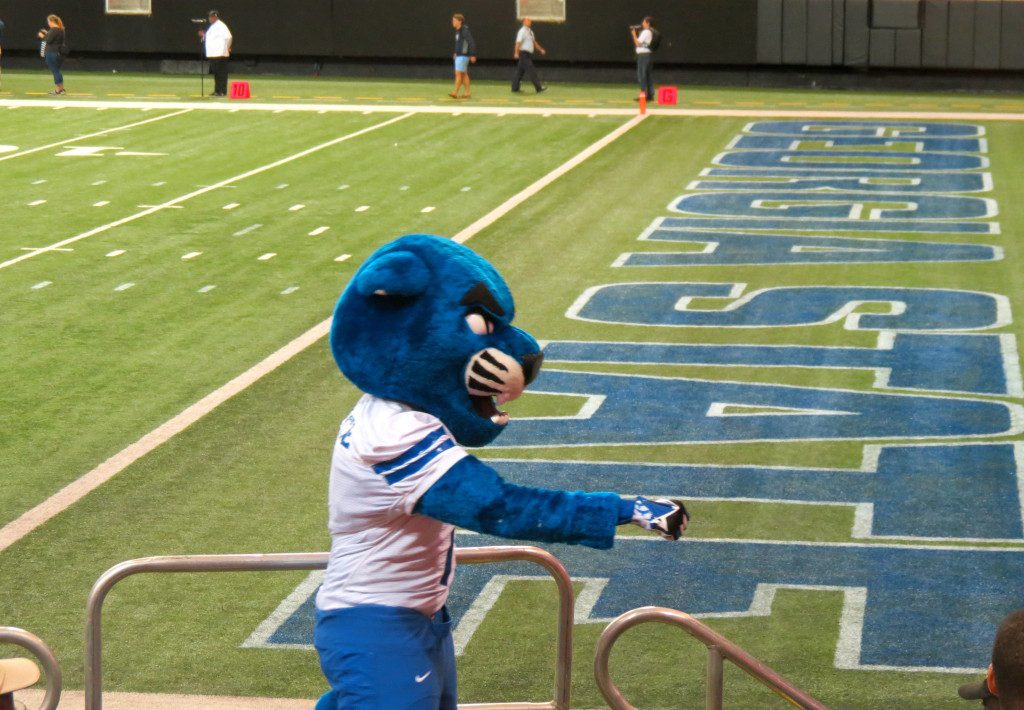
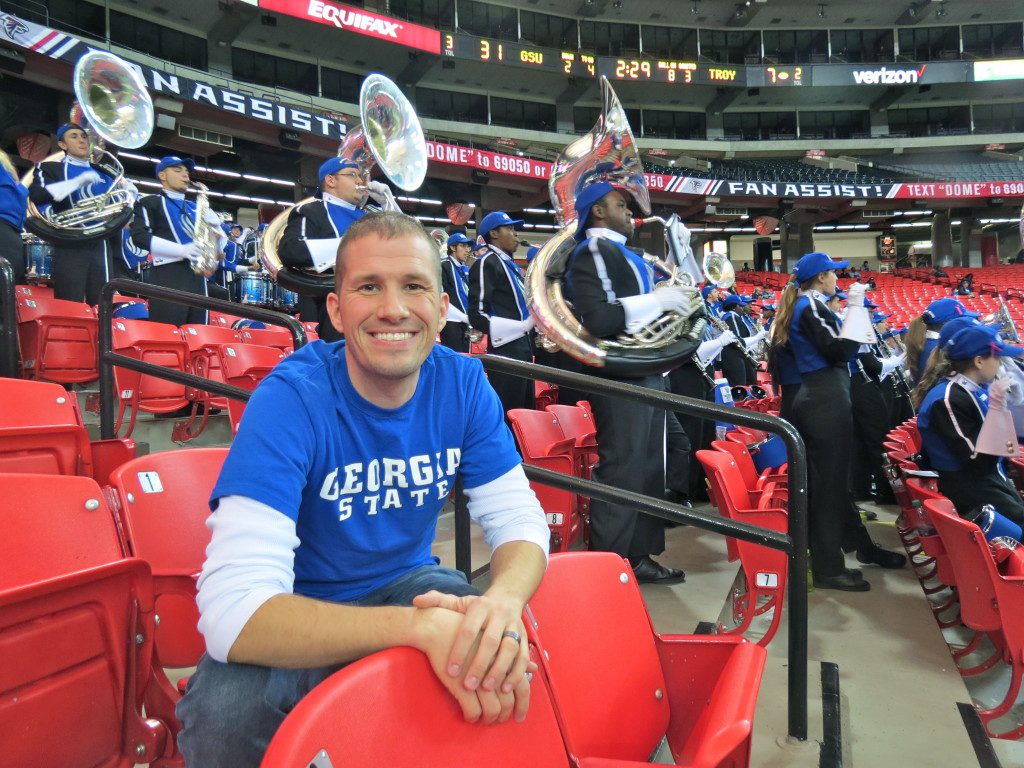
Game day begins with a classic team walk, as the marching band, cheerleaders and fans line the route to welcome the Panthers. The band continues its energetic performances throughout the game, while Pounce, Georgia State’s panther mascot, keeps the crowd entertained with his trademark antics.
One of Georgia State’s most distinctive traditions sets the tone for the football season. During the home opener, first-year students participate in “Fan From Day One,” with hundreds of students dressed in Panther gear joining the football team for its run onto the field. As the students charge through the tunnel, the crowd erupts, welcoming the newest members of the Georgia State family. The tradition immediately connects incoming students with the larger Panther community, making it a fitting way to begin a new season.
For a program still finding its place on the college football landscape, Georgia State has made remarkable progress. At times, the Panthers can get lost amid the energy and distractions of bustling Atlanta, but the program continues to carve out its own identity within the city’s culture. There is still plenty of room to grow, but Georgia State football already feels like it has been around much longer than it actually has.
That may be the most impressive part of the Panthers’ story. In a remarkably short time, Georgia State has gone from an idea to a program with its own home, traditions, history and identity. The journey is far from finished, but the Panthers have already established themselves as a meaningful part of Atlanta and an increasingly prominent presence in college football.